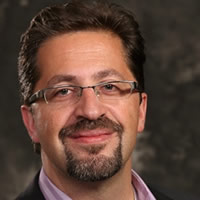
Colin Lachance looks to reinvigorate a thoughtful and nuanced discussion about alternative business structures.

Colin Lachance looks to reinvigorate a thoughtful and nuanced discussion about alternative business structures.

JP Boyd explores a possible future family justice model.

AJRN member Karim Benyekhlef and Nicolas Vermeys look to the future of online dispute resolution in Quebec.

From the UK, calls for a boycott of Magna Carta celebrations over lack of government support for access to justice.

From the UK, here are some media pieces on reforms to legal aid in Scotland (and another response), legal aid cuts in Northern Ireland.

Here’s a CBC report on the launch of WillowNet.ca in Alberta by the Centre for Public Legal Education Alberta, which provides legal information about domestic violence.

AJRN-member Jasminka Kalajdzic’s name was in the legal press for her study noting the dearth of empirical evidence linking alternative business structures (ABSs) to improving access to justice. (A link to Jasminka’s study is embedded in the article I’ve linked to.) See also this article in the Law Times which carries some responses to Jasminka’s study.

Recent reports have underscored the importance of innovation and imagination to the pursuit of access to justice. At the Canadian Forum on Civil Justice, we understand that such efforts come down to people – to advocates. In an effort to spotlight the diverse range of individuals working across the access to justice landscape, we are pleased to present the Access to Justice Advocates blog series. Each month we will profile someone who brings a unique perspective and makes a valuable contribution to the issue of access to justice. Do you know an access to justice advocate? Let us know at communications@cfcj-fcjc.org.
The Canadian Forum on Civil Justice had the wonderful opportunity to meet Professor Mosher at Osgoode Hall Law School to discuss her work in access to justice. As a researcher and teacher, Professor Mosher spoke to us about conceptualizations of access to justice that stimulate her work, as well as the ways in which the intersection between research and frontline advocacy can play a unique role on the access to justice landscape. Her conceptualization of access to justice redirects access to justice advocacy away from courts and towards broader understandings of justice, power and inequality.
The full length version of the interview can be found here.

From the UK, The Guardian reports on the closing of child contact centres, as legal aid cuts take effect.
 ajrn.org